
Licensed & Insured · Since 1998

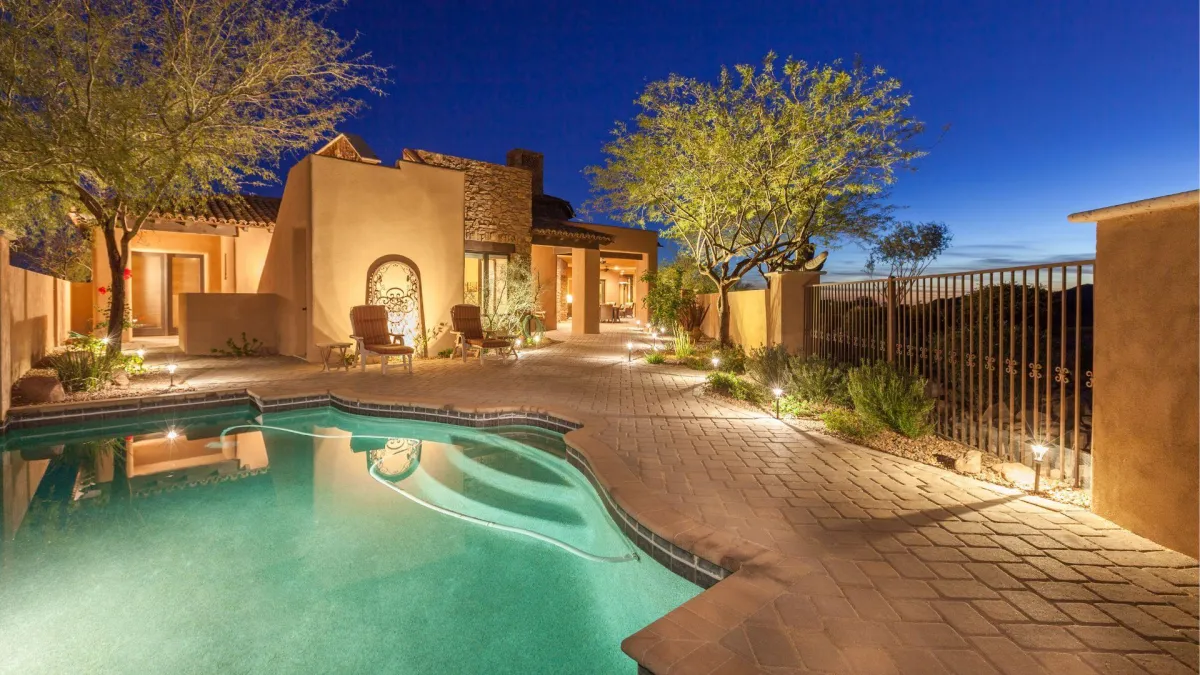
Concrete Contractor in La Quinta, CA

Proven Excellence
Our Passion is Transforming Your Backyard Vision into a Stunning Reality!
Next Door Neighborhood Favorite
Google and Yelp Reviews Below:
Who is a good concrete contractor in La Quinta for pool decks?
CV Pools has worked as a concrete contractor in La Quinta since 1998. We pour and repair pool decks, coping, patios, pavers, and cool deck surfaces across the valley. A diagnostic visit is $150 and gets credited toward the approved repair. Remodels, replaster, and new builds are quoted free. Call (760) 619-2409.
Cracks in a desert pool deck are handwriting. Once you learn the letters, the slab tells you what happened to it. That is the first thing we read when we walk up to a deck, before we say one word about money.
A straight crack running off a corner of the pool is usually the slab relieving pressure, because corners are stress points. If it is tight, flat on both sides, and has not opened up over a couple of summers, it is normal. If one side has lifted, or the crack keeps widening, we look deeper at the soil under the deck or at the pool shell itself.
A crack that follows a control joint is good news most of the time. Control joints exist so the slab cracks where you decided instead of where it decided, and a crack sitting down inside that groove is the joint doing its job.
A hairline map across the middle, fine lines in a pattern like a dry lakebed, is almost always surface shrinkage from concrete drying fast in valley heat. Cosmetic. Annoying to look at, harmless to walk on.
A lifted edge at the coping is the one we take seriously. When the deck edge rises or drops against the coping, water, soil, or a hollow spot is moving under there. It also becomes a toe-catcher fast. Three of those four patterns are normal. One needs a look.
Why desert slabs move
Concrete moves everywhere. Out here it moves more, and it moves in both directions in the same day.
Heat. A deck in July takes a beating from the sun for twelve hours straight. Concrete grows a little when it gets hot. Not much, but a slab is long, and small growth over a long slab adds up to real pressure.
Cold winter nights. A January night in the valley can drop far below the afternoon high, and the slab shrinks back. That daily stretch and pull, over years, is what tires concrete out.
Soil moisture. Our soil changes volume when it gets wet and when it dries out. A leaking irrigation line, a downspout dumping in one spot, a monsoon storm that drops an inch in forty minutes, all of it changes what is under your slab. Concrete is strong on top. It is only as steady as the dirt below it.
Blowing sand. Sand does not crack a deck. It sands it. Wind-driven grit wears the texture off a cool deck surface, dulls a stamped pattern, and fills joints with fine material that stops them from working.
Two things keep a slab honest. Control joints are the grooves cut or tooled into the deck, placed on purpose so the crack goes there, down low and out of sight, instead of wandering across the middle. Joints have to be laid out with the shape of the slab in mind, around corners and where a walkway necks down between the pool and a wall. Miss those spots and the slab picks its own line.
Reinforcement is the steel inside. Rebar or mesh does not stop cracking. What it does is hold the two sides together and at the same height when the slab does move, which is the difference between a hairline you barely notice and a lifted edge you stub your toe on every morning. The pour itself matters too, since concrete placed in high heat gives up water fast and dries weaker at the surface.
None of this means desert concrete is doomed. It means the work has to plan for movement instead of pretending movement will not happen. That is the whole difference between a deck that looks fine in year twelve and one that looks tired in year four. A good concrete contractor in La Quinta builds for the swing.
Concrete pouring



When a slab is past saving, or you are adding new space, we start clean. Our pouring work covers pool decks, patio extensions, walkways, equipment pads, steps, and slabs for a shade structure or outdoor kitchen.
The order matters more than most people expect. We look at where water goes first, then set the grade, then form, then place steel, then pour. Grading last is how decks end up holding water at the door threshold. We plan joints before the truck shows up, not after, and we time summer pours for the cooler part of the day when we can.
We also tell you straight when a full pour is not the right call. Plenty of decks we look at need a section replaced and the rest resurfaced, not the whole thing hauled off. Pricing depends on square footage, access, thickness of what is coming out, and finish, and we quote it before we start.
General repairs & maintenance
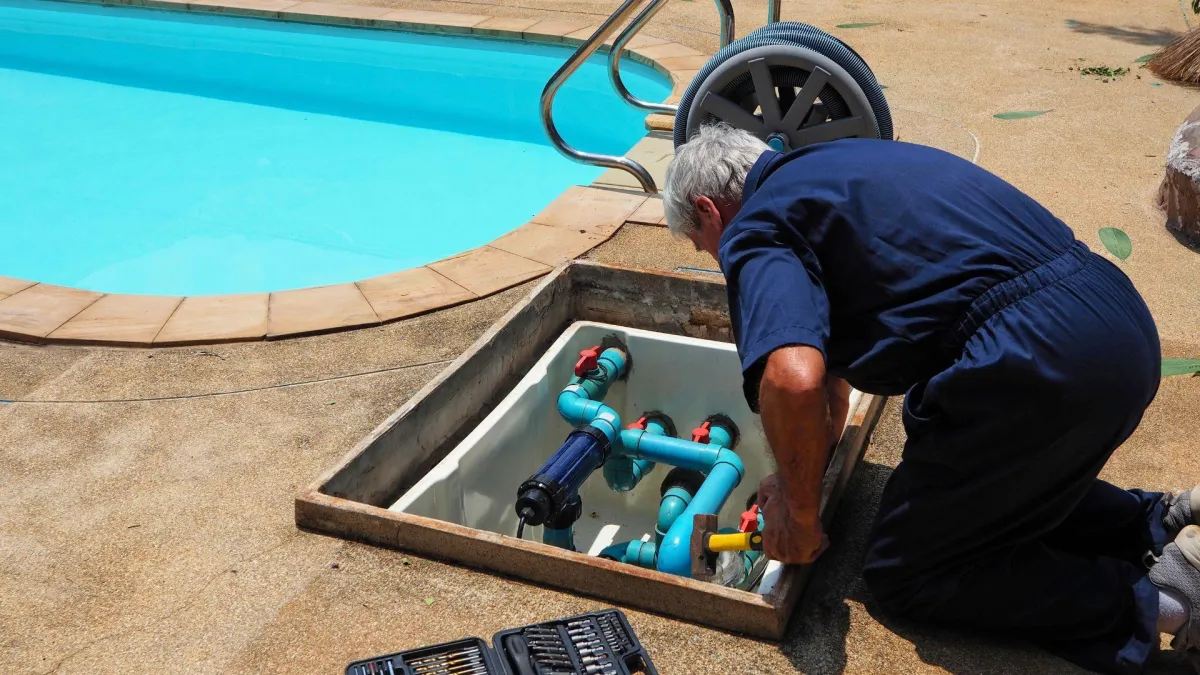
Most calls are not a tear-out. Most calls are one thing that got worse. This is crack repair, joint replacement, patching a spalled area, resetting a lifted section at the coping, grinding down a trip hazard, and putting fresh sealer down before another summer. It is the least exciting work we do and the work that saves people the most money.
A trip hazard deserves its own line. When one side of a crack sits higher than the other, that lip catches bare feet and toes. Around a pool, with wet skin and hard edges, that is the hazard we push hardest to fix quickly, and grinding a lip flush is often a short visit.
Sealer is the other one. It slows moisture from moving through the slab and gives blowing sand a layer to wear on instead of your finish. Sealer is maintenance, not a one-time purchase.
Deck construction
Building a deck is really about how people move around the water. New deck construction is where we get to fix the layout problems the old deck had. Where do you actually walk? Where does the table go? Where do people stand and talk while somebody swims? Which side gets shade at 5 p.m. in June? A deck that is generous on the shady side and narrow on the west side is a deck that gets used.
We look at the barrier requirements early too, since a deck change can affect fencing, gates, and access from the house. Barrier rules are not optional and are cheaper to plan for than to retrofit.
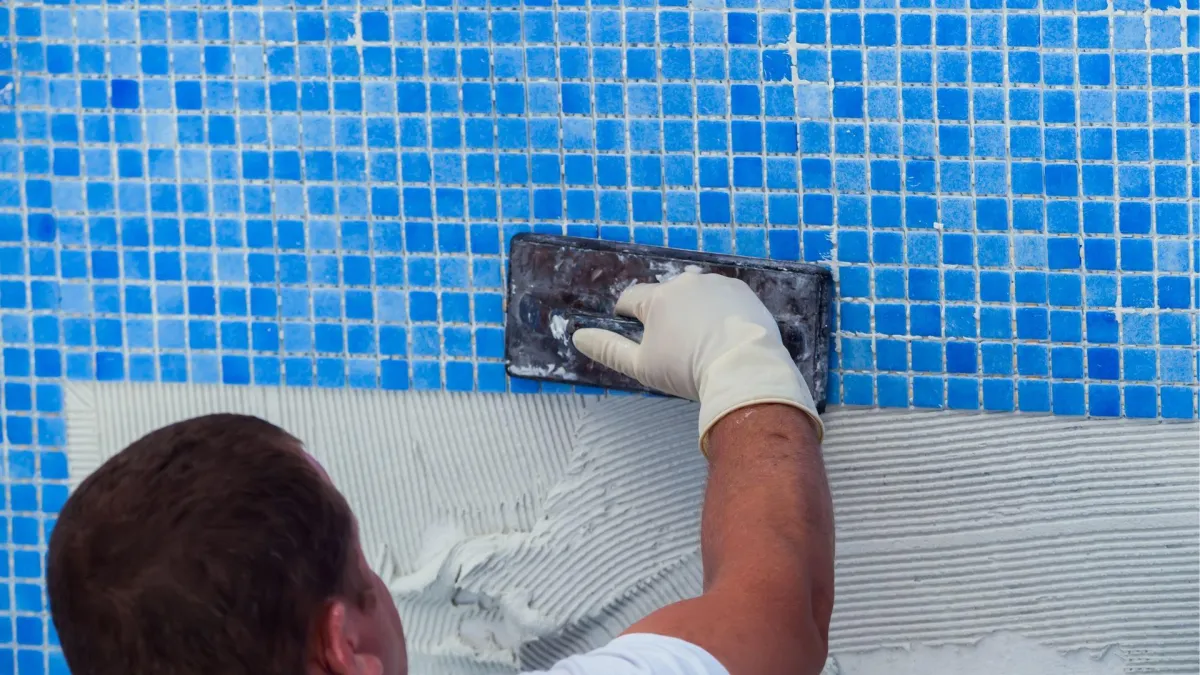
We also build in the boring things: a clean edge at the coping, a slope that moves water away from the pool and the house, joints laid out with the shape of the space, and a finish that will not cook feet. Estimates on new deck construction are free.
Pavers and travertine around a pool
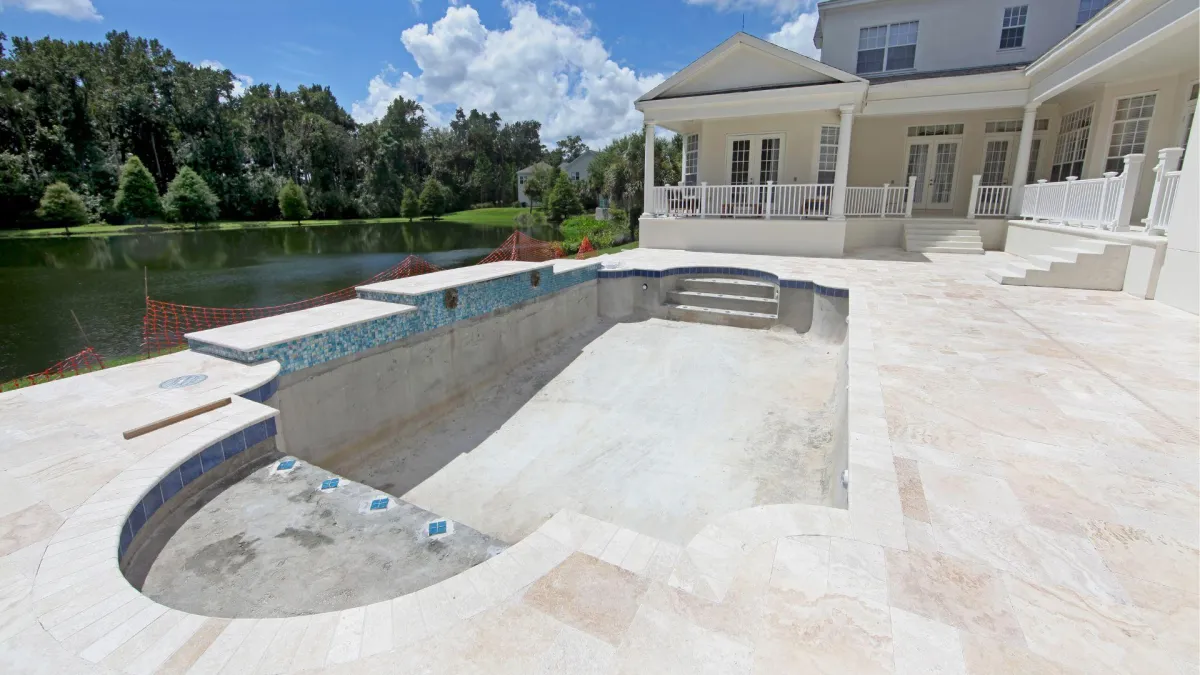
Not everything has to be poured. Pavers and travertine sit on a prepared base instead of one big slab. When the ground moves, individual pieces settle instead of the whole surface cracking, and if one area sinks, we can lift that area and reset it.
Travertine also runs cooler underfoot than most poured finishes, which matters here more than it matters almost anywhere else.
The trade-off is honest: pavers can settle, joints need sand maintenance, and blowing grit collects in them. Neither option wins on every property, and we will tell you which one fits yours. Material pricing varies by selection, and we put the numbers in front of you before anything is ordered.
Cool deck and cooler deck surfaces
Every July, someone calls and says their kids will not go in the pool anymore. Not because of the water. Because of the stretch of deck between the door and the water.
Color is the biggest lever. Light beats dark by a wide margin, and it costs nothing extra to choose at the start. Cool deck and cooler deck coatings put a textured, light-colored layer over the concrete, so they hold less heat and are less slick wet. They are not magic, but the difference is real and people feel it.
Shade beats every coating on the market, so a sail or structure over the main path from the door to the steps changes the whole summer. We apply and repair cool deck and cooler deck finishes over sound concrete, and worn texture or faded color can usually be recoated without touching the slab under it.
Coping
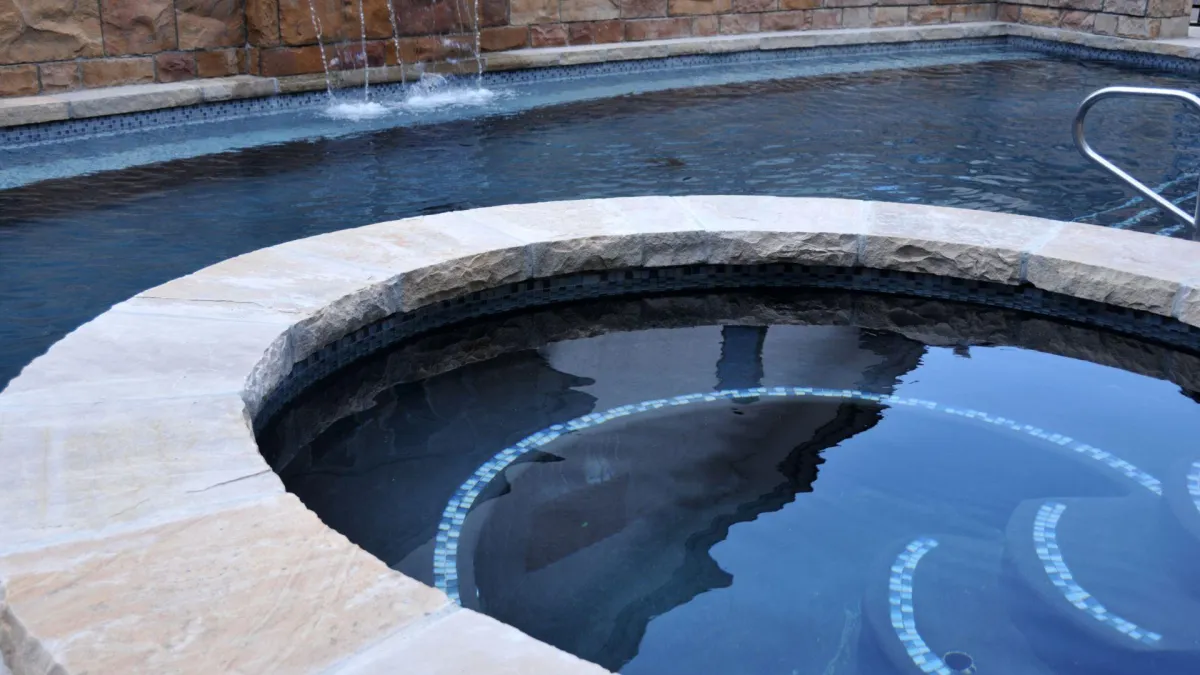
Coping is the cap around the pool edge. It is where the deck, the tile, the beam of the pool, and your hands all meet. When coping loosens, water gets behind it and into the bond beam, and a small job turns into a big one.
We reset loose coping, replace broken pieces, and install new coping in poured concrete, precast, or stone. Coping work is also the natural time to look at the tile line, since both are right there.
Coping and deck work fit neatly into a bigger remodel, so if the pool is already coming apart for other reasons, this is the hour to handle the edge.
Drainage and grading
Half the deck problems we repair started as water problems. A deck should move water away from the pool, away from the house, and toward somewhere it can leave. When it does not, water sits at the low spot, soaks the soil under the slab, and that soil changes shape. Then the slab does too.
Monsoon storms make this obvious. A deck that looked fine for years shows its low spot in one August afternoon, and blow sand makes it worse by filling deck drains and joints until they stop draining at all.
What we do about it: add or re-cut deck drains, clear and re-pipe what is already there, re-slope a section, add a trench drain at a problem edge, and fix the grade where landscape soil has crept up above the slab over the years. Storm runoff and drainage tie-ins can fall under local rules depending on where the water goes, so we check that before we dig.
When resurfacing beats tearing it out
The most useful thing a concrete contractor in La Quinta can tell you is when not to spend. If the slab is sound, with no rocking sections, no big height differences and no crumbling, you usually do not need a new deck. You need a new surface on the deck you have.
Resurfacing puts a fresh overlay over the existing concrete. Cracks get treated first, joints get honored so they keep working, then the new finish goes on. You get a new look and a cooler color for a fraction of the demolition, hauling, and disruption of a full replacement.
When we do say tear out: the slab is broken into pieces that move independently, sections have dropped enough that grinding will not fix them, the concrete is spalling down deep, or the drainage is so wrong that the slab has to be re-graded to solve it. Being told the cheaper option first is how you know somebody is not just selling.
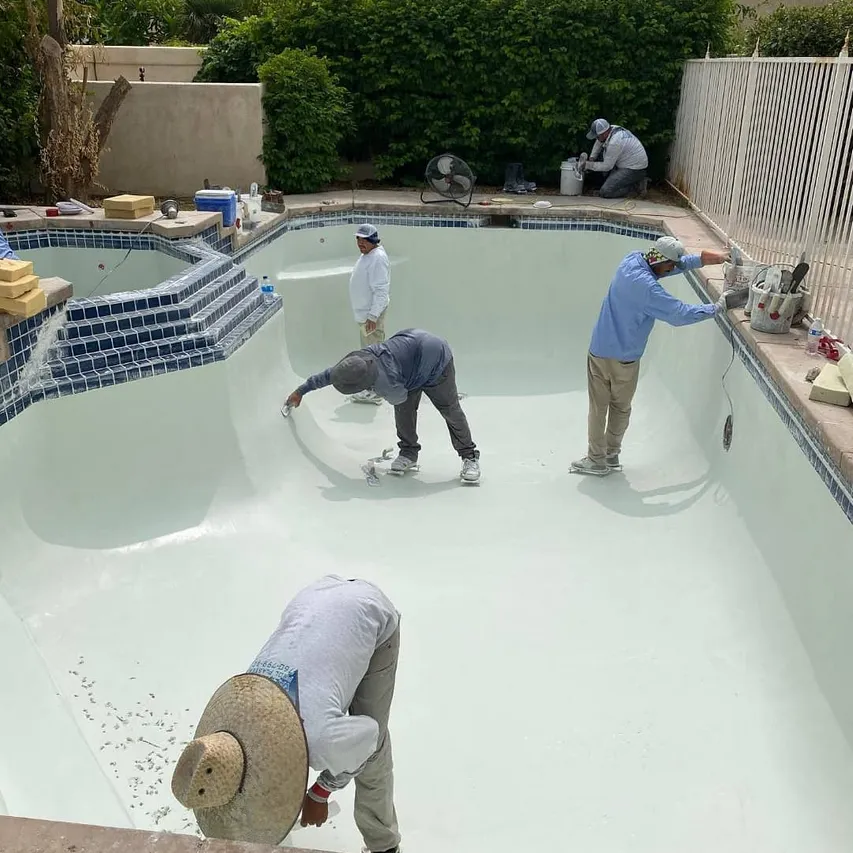
Timing saves real money too. When a pool is drained for replaster or new tile, the coping is exposed, the deck edge is accessible, and crews are already on site with equipment. That is the cheapest hour you will ever get for deck and coping work. Doing it separately means draining twice, mobilizing twice, and living through the mess twice.
Where we work and how to start
Our shop is at 52115 Avenida Bermudas in La Quinta, and a concrete contractor in La Quinta should know the ground before the truck arrives.
In Hidden Canyon, homes sit tucked against the hillside. Rock, grade changes, and tight access are normal, so we plan pours around what a truck can actually reach, and sometimes that means pumping instead of chuting. The Quarry at La Quinta has larger lots and real architectural standards, so we put samples in front of the committee before we order material, not after.
The Avenue 58 corridor is a mix. Some addresses are inside La Quinta city limits and some are in unincorporated Riverside County, which changes which office pulls the permit, what gets inspected, and how long it takes, so we check the parcel before we promise a date. Most valley communities also want color, material, and sometimes a site plan approved by the HOA before work starts, and submitting early is the easiest way to keep a project on schedule.
A lot of our clients are here only part of the year. Summer is the best window for owners who are away, since the house is empty and the deck is finished and cured before anyone flies back in October. Fall books up fast. If you own a second home here, we send photos at each stage, hold material samples for your return, and coordinate with a property manager or house-watch service.
To start, call (760) 619-2409, Monday through Friday, 8:00 AM to 5:00 PM, and tell us what you are seeing. Photos help a lot. A diagnostic visit is $150, and that $150 is credited toward the repair when you approve it, so you are not paying for a sales call. Remodels, replaster, new builds, and equipment upgrades are quoted free. We have been doing concrete and pool work in this valley since 1998, California license #994121.
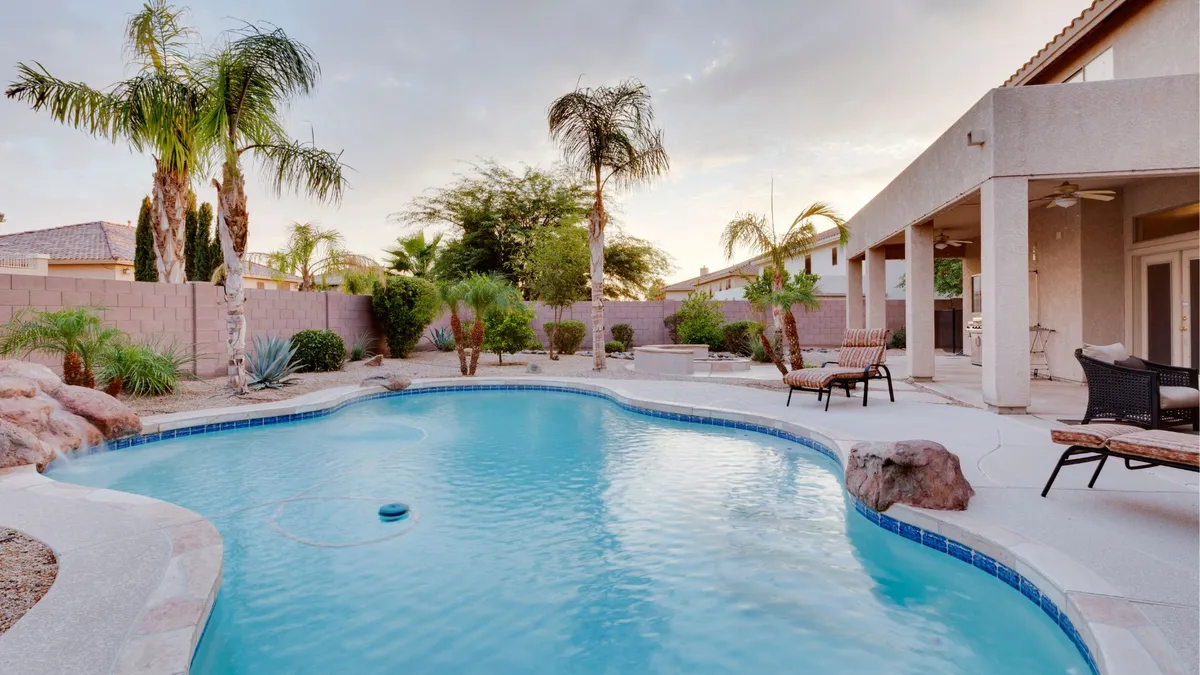
Transform Your Backyard into a Stunning Oasis with Our
Pool Repair and Construction Services
Revitalize your outdoor space with expert repairs that make your pool look brand new.
You deserve peace of mind knowing your pool repairs are handled by trusted experts.
Pool Equipment Check-Up 1 year maintenance Check-Up package to ensure long-term satisfaction.
Questions people ask before they hire a concrete contractor
Is a crack in my pool deck a big deal?
Usually not. A tight crack that follows a control joint, or fine hairline lines across the surface, is normal in desert concrete. What matters is height difference. If one side sits higher than the other, or the crack keeps opening season after season, have it looked at.
Why does my deck get so hot in July?
Color and material. Dark, dense surfaces store heat all afternoon. Light-colored cool deck or cooler deck coatings, travertine, and shade over the main walking path make the biggest difference. Hosing it down only helps for a few minutes.
Can you fix my deck without tearing the whole thing out?
Most of the time, yes. If the slab is sound and level, we treat the cracks and resurface over the existing concrete. Full removal is for slabs that are broken into moving sections, dropped, spalling deep, or graded so poorly the water cannot be fixed any other way.
What does the $150 charge cover?
It is the diagnostic visit. We come out, look at the deck, the drainage, the coping, and whatever else is connected, and tell you what is going on. If you approve the repair, the $150 is credited toward it. Estimates on remodels, replaster, new builds, and equipment upgrades are free.
Do I need a permit for deck work in La Quinta?
It depends on the scope and the address. Some work needs a permit and some does not, and homes along the Avenue 58 corridor can be inside La Quinta city limits or in unincorporated Riverside County, which are two different permit offices. We check the parcel before we schedule.
How long does a pool deck project take?
It depends on size, access, and whether we are resurfacing or replacing. Resurfacing is short. A full replacement adds demolition, hauling, forming, pour, and cure time. Concrete also needs cure time before heavy use no matter how fast the crew is.
Will my HOA need to approve the finish?
Most valley communities want color and material approved before work starts, and some want a site plan. We put samples together for the committee early so approval is not what holds up your start date.
Are pavers better than poured concrete out here?
Neither wins every time. Pavers and travertine handle soil movement better because pieces settle individually and can be reset, and travertine runs cooler underfoot. Poured concrete gives you a continuous surface with fewer joints to maintain. We will tell you which fits your property.
Does blowing sand really damage a deck?
Over time, yes. Wind-driven grit wears the texture off cool deck finishes, dulls stamped patterns, and packs into joints and drains. Keeping sealer current and keeping joints and deck drains clear is most of the defense.
Do you work on homes when the owner is out of state?
Yes. A lot of our summer work is for part-year owners. We send photos at each stage, hold samples for your return, and coordinate with a property manager or house-watch service.
Facebook
Instagram
LinkedIn
Youtube